How to Withdraw Rewards Safely?
 Adilia
You've earned something on GoMining. Maybe your digital miners have been mining Bitcoin, maybe you won rewards in Miner Wars, or you grew a balance in Simple Earn or through GOMINING tokenomics. Sooner or later you'll want to move some of it out, to an exchange or to your own wallet.
A withdrawal sends crypto from your GoMining wallet to an external address. Like any blockchain transaction, it can't be undone once it's sent. There is no chargeback and no way to recall it. So a few minutes of care before you confirm is what keeps your money safe.
This guide walks through how to withdraw safely, step by step. It also explains the checks GoMining runs around each withdrawal, so you know what they are for and why they work in your favor.
How withdrawals work in GoMining
Your GoMining wallet is custodial, and it holds your balances off-chain. In practice, that means you can deposit on one network and withdraw on another. When you open Withdraw, you choose the asset, the network, the destination address, and the amount.
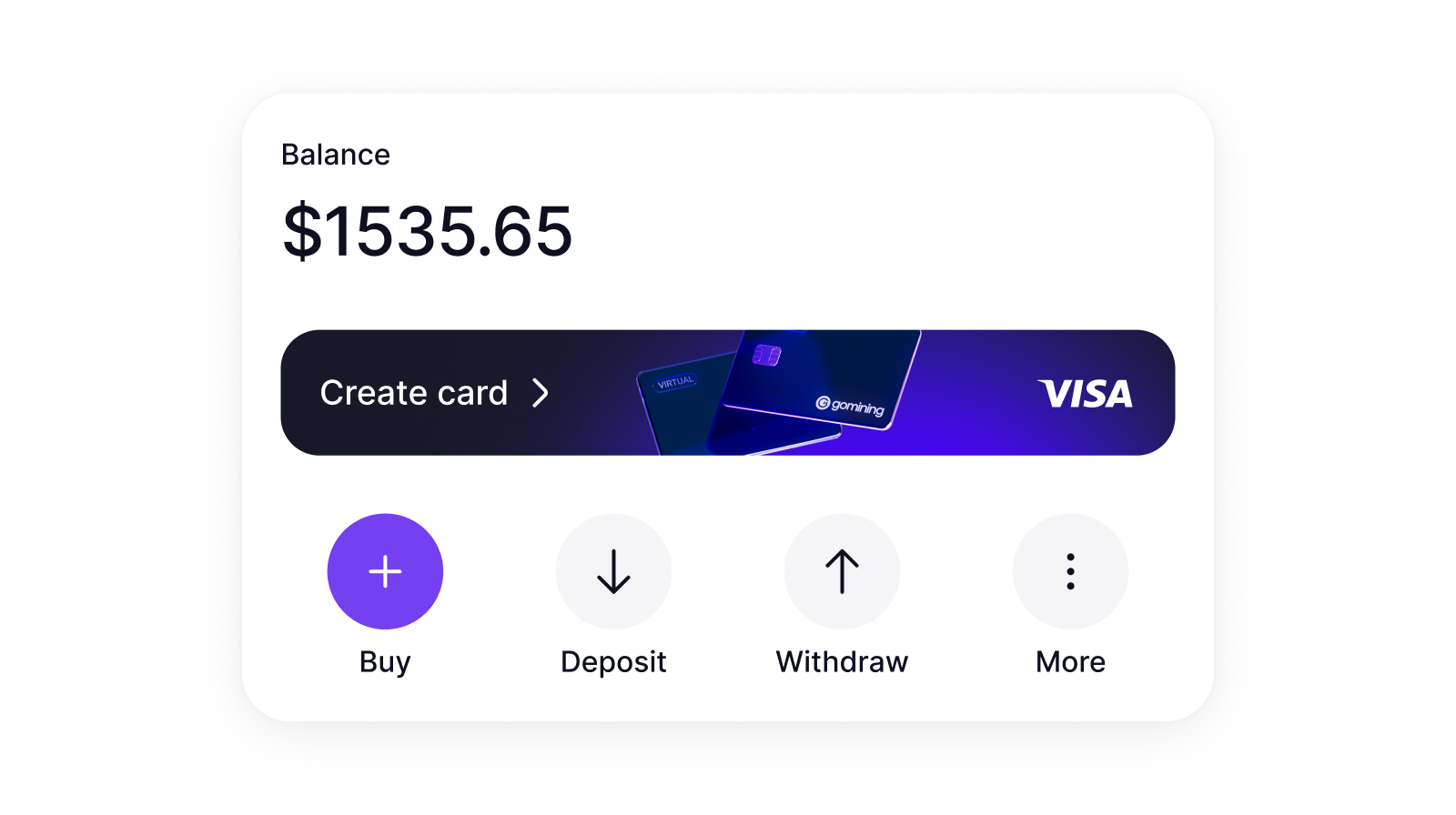
A few things shape every withdrawal:
- Identity verification unlocks withdrawals. You complete KYC once to withdraw any crypto assets from your wallet. It also unlocks the ability to mint, sell, or withdraw miners. Beyond the features, it keeps your account tied to you, so no one else can use it.
- Network and minimums. Each asset supports specific networks and has a minimum withdrawal amount. The network you pick has to be one the receiving wallet supports for that asset.
- Fees. GoMining doesn't add a service fee on top of a standard wallet withdrawal. A network fee applies, and it's shown before you confirm.
- Limits. A daily withdrawal limit applies per asset. The exact figures show up in the app the moment you withdraw.
- BTC from mining. Your BTC mining and game rewards become withdrawable once you own a personal miner. Once you've made a BTC deposit, you can also withdraw amounts beyond your accumulated rewards.
The checks around a withdrawal, and why they work for you
GoMining runs a few verification steps around withdrawals. They can feel like friction in the moment, but each one is there to protect your funds and to keep the platform on the right side of the law.
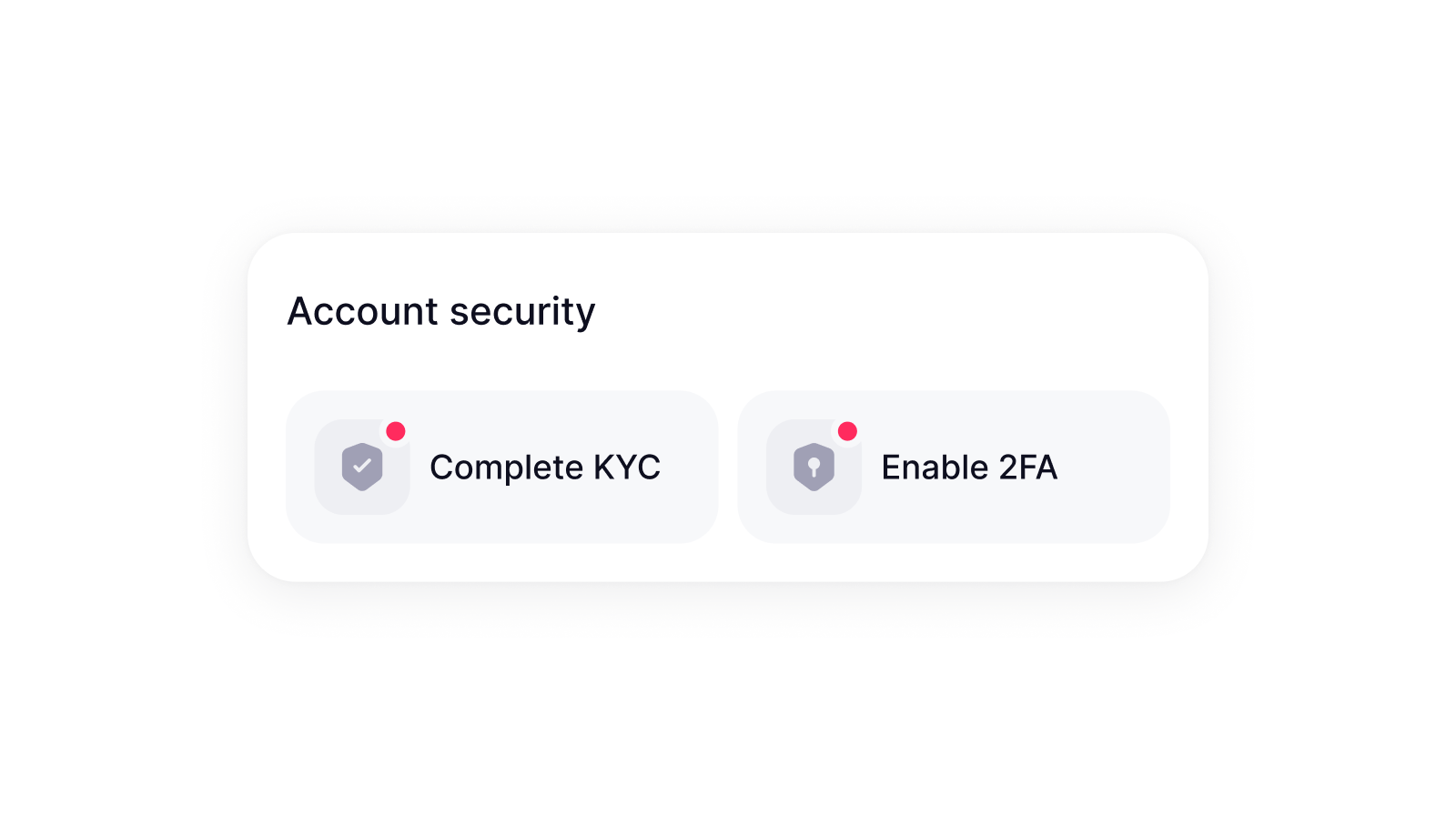
Identity verification (KYC)
KYC confirms that it is really you making the transaction. It is the gate that turns withdrawals on in the first place, and it keeps your account tied to you rather than to whoever might try to use it.
Anti-money-laundering (AML) monitoring
Transactions are monitored to confirm that funds come from a lawful source and to flag anything unusual. If something is flagged, the amount may be held for a short while during the review, and you might be asked for a supporting document such as a recent bank statement or proof of income. It is a routine safeguard, not an accusation.
Regional transfer rules
In certain regions, crypto regulation requires GoMining to collect a few details about the sender and the recipient for some external transfers. Depending on where you are verified as a resident, a short form may appear when you withdraw to an external wallet. It asks who owns the destination wallet, whether it is custodial (an exchange or service) or non-custodial (self-hosted), and the provider or recipient involved.
While the check runs, the withdrawal amount is held on your balance for a moment. It usually takes a few seconds, sometimes a few minutes, and if it does not pass, the funds go straight back to your balance.
How to withdraw safely, step by step
Here is a simple routine that prevents the mistakes behind most lost withdrawals.
- Finish identity verification first. Without KYC, withdrawals of GOMINING, USDT, USDC, and BTC are not available. You do it once, and it is done.
- Pick the right asset and network. Check that the receiving wallet or exchange supports that asset on the network you choose. A network mismatch is one of the most common ways people lose funds.
- Check the destination address carefully. Copy and paste it instead of typing, then compare the first and last few characters. Some malware silently swaps a copied address, so this check genuinely matters.
- Mind the minimum and the daily limit. Keep your amount above the asset's minimum and within the daily limit shown in the app.
- Fill in any extra form accurately. If a verification form appears for your region, entering details that match the receiving account helps it pass smoothly.
- Send a test transaction for large amounts or new addresses. Send a small amount first, confirm it arrives, then send the rest.
- Do one withdrawal at a time. Only one withdrawal is processed at a time. Let the current one finish, whether it succeeds or is cancelled, before you start another.
Protecting your account from scams
A careful withdrawal still can't protect you if someone tricks you into sending funds or breaks into your account. A few habits cover most of the risk, and the GoMining Academy has fuller guides on staying safe with crypto if you want to go deeper.
- Address poisoning. A scammer sends a tiny transaction from an address that looks almost identical to one you use, matching the first and last characters. The idea is that you later copy that address from your history and send your funds to them. Choose the destination from a trusted source rather than your transaction history, and check the full address, not just the ends.
- Phishing and fake support. Scammers impersonate GoMining and its support staff to get you to send funds or hand over credentials. Real support will never ask for your password, two-factor codes, seed phrase, or private keys, and GoMining never messages you first. Reach support only through official channels.
- A compromised account. If someone else gets in, they can try to withdraw on your behalf. A strong, unique password and two-factor authentication are your first line of defense.