How Do Most Phishing Scams Work And How To Protect Yourself?
 Zamy
Zamy
Phishing is almost never about hacking code. It’s about hacking people.
In most cases, attackers don’t bypass technical defenses — they bypass human thinking by applying pressure through familiarity, fear, urgency, or greed, pushing victims to act automatically.
In crypto, the situation has become even more dangerous. There is often no need to steal a password or a seed phrase. Sometimes, a single “harmless” signature is enough to completely drain a wallet.
Phishing has evolved. Poor grammar is no longer a giveaway. Emails are written flawlessly, fake websites look identical to real ones, and even a caller’s voice or video can be generated by artificial intelligence.
Scams today may arrive as a polished message from “customer support,” a perfect clone of a crypto service website, or a message styled to look exactly like it came from your manager.
This article explains how modern phishing attacks work — from emails to crypto scams and wallet drainers — and why old advice like “just don’t click links” is just the tip of the iceberg.
Understanding these mechanics helps close the most dangerous gaps and avoid losing money in 2026.
How Social Engineering Works — and Why Phishing Is So Effective
Phishing is often done through social engineering. Attackers don’t try to break systems directly — they manipulate people into performing the desired action themselves.
The most common trigger is urgency. Messages may warn about suspicious activity, account suspension, or an immediate need to verify information. A familiar logo, alarming text, and a time-sensitive tone push users to react automatically.
In crypto, greed is added to the mix: promises of token giveaways, suspicious learn and earn crypto campaigns, or “celebratory” airdrops tied to ETF launches. A third variant plays on curiosity — messages hinting at something personal or unexpected.
Visually, these attacks are convincing. The sender’s address is nearly identical to the real one, the subject line is pushy, familiar or «too good to be true but I’ll click it anyway», and the link leads to a clone website.
At this stage, most people make mistakes not because of ignorance, but because of haste.
Classic and Advanced Types of Phishing
Phishing is not a single tactic. It includes a wide range of approaches — from mass email campaigns to highly targeted attacks powered by AI. Understanding these differences helps recognize threats faster and avoid costly mistakes.
Email Phishing and Fake Emails
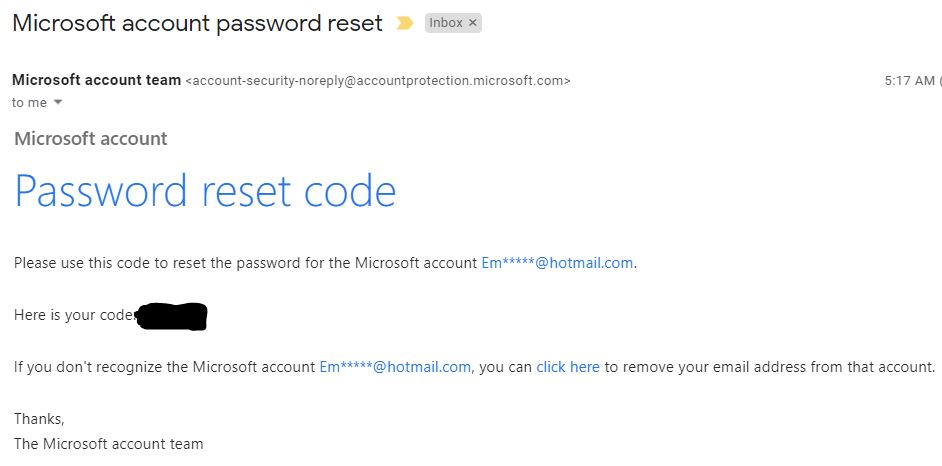
The oldest and still effective format is email phishing. These are usually fake invoices, urgent password reset requests, or alerts about suspicious logins. The emails look professional: logos, brand colors, and familiar tone. The main trap is the sender’s address — the name may look correct, but the domain almost always differs from the official one.
SMS Phishing (Smishing)
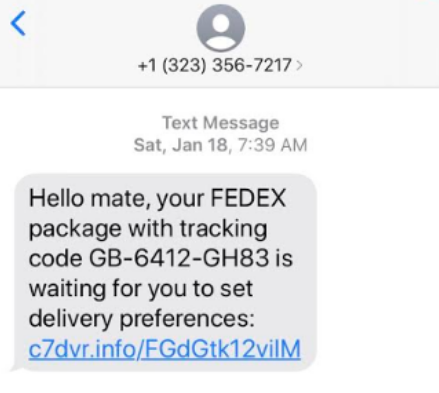
The same principle applies to SMS messages. Users receive short alerts about failed deliveries, blocked cards, or unexpected charges. SMS creates a sense of urgency and trust: phones are personal devices, and messages are questioned less critically.
The link leads to a fake website where users are asked to enter data or confirm an action.
Spear Phishing and Targeted Attacks
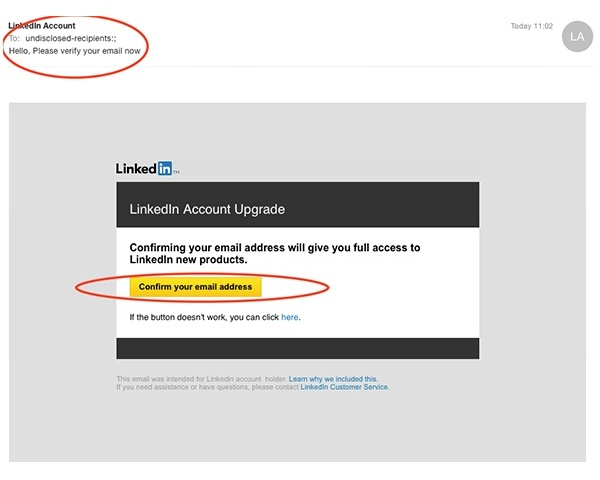
A more dangerous form is targeted phishing. These attacks use real personal data: name, position, company, sometimes even recent events. This information is easily collected from social networks and professional platforms. When a message contains familiar details, it no longer feels like a mass scam — critical thinking often switches off because the message feels personal and “real.”
AI-Driven Phishing and Deepfakes
The most dangerous trend of recent years is phishing powered by artificial intelligence. Attackers now go beyond text, using generated voices and videos that imitate colleagues, partners, or executives. There have been cases where employees received video calls from a “CEO” asking for urgent fund transfers or access credentials. Visually and audibly, these requests are nearly indistinguishable from real ones.
Crypto Phishing and Web3 Attacks
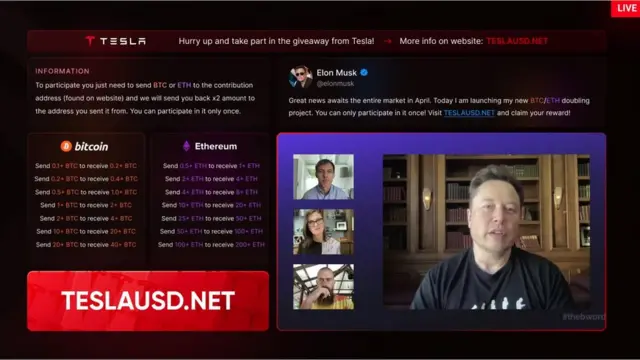
The largest losses in recent years are linked specifically to crypto phishing. Its key difference is that attackers don’t need to hack accounts, steal passwords, or obtain seed phrases. Everything happens “legitimately” from the blockchain’s perspective — the user personally confirms the action without fully understanding what they are signing.
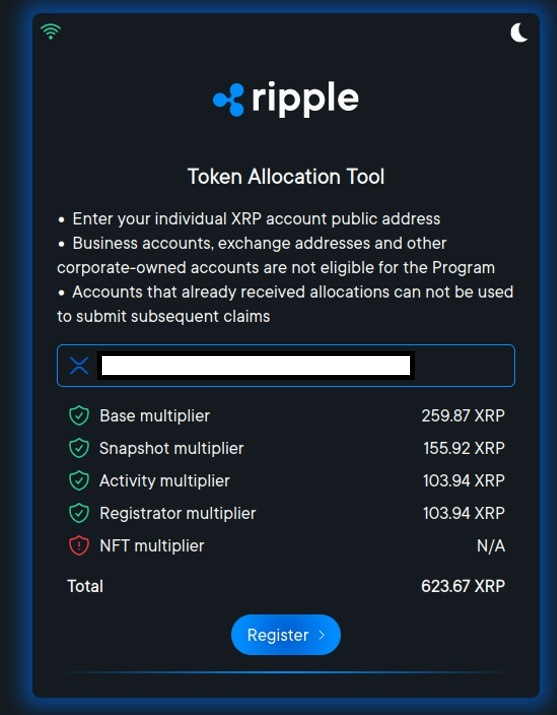
The most common scenario is simple. A user visits a site offering a free token distribution or bonus campaign. The site looks professional and indistinguishable from a normal Web3 project. The wallet is connected, and instead of a usual login, a signature request appears.
Visually, it may look like a harmless confirmation, but in reality it is permission for a smart contract to manage the user’s tokens. After such approval, funds can be withdrawn at any time — immediately or months later. The critical point is that the user granted access themselves, and the blockchain treats this as a valid operation.
Address Poisoning
Another common scheme is address poisoning. No connection or signature is required.
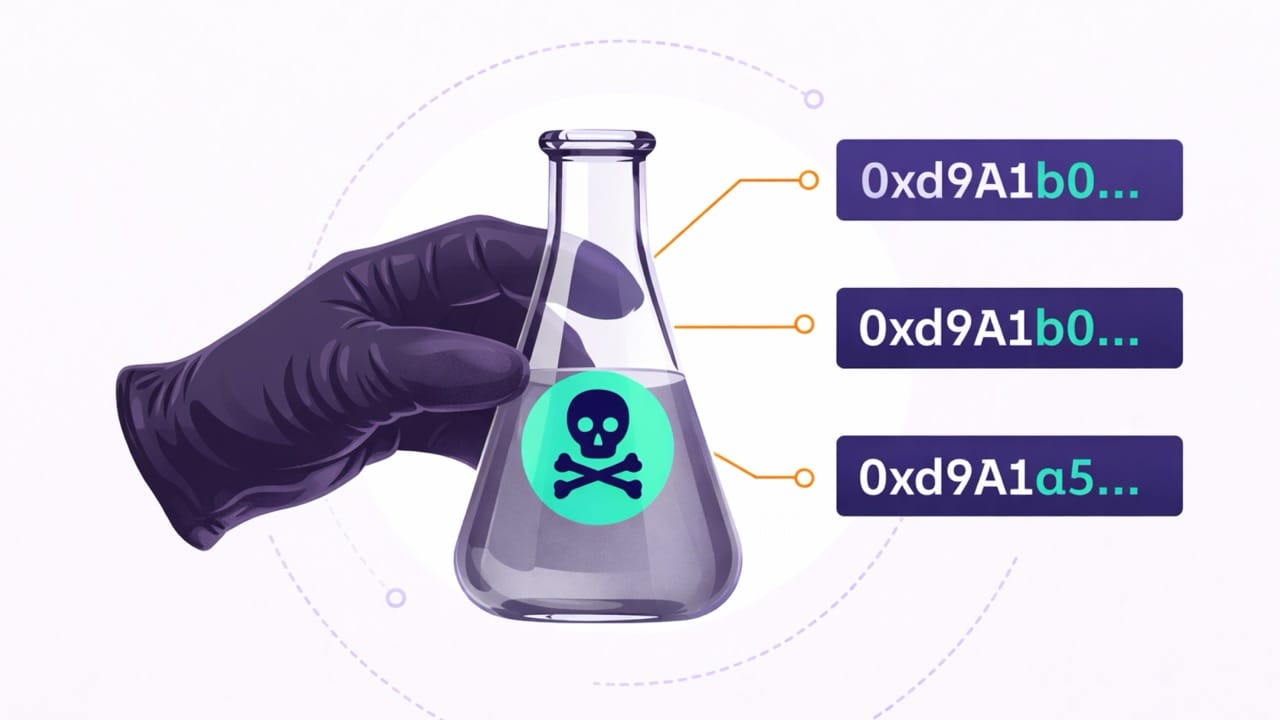
The attacker sends a tiny amount to the victim’s wallet from an address that visually closely resembles the real one, differing by only one character. Later, when the victim copies an address from transaction history, they may paste the attacker’s address by mistake. This attack targets fatigue and habit, not lack of knowledge.
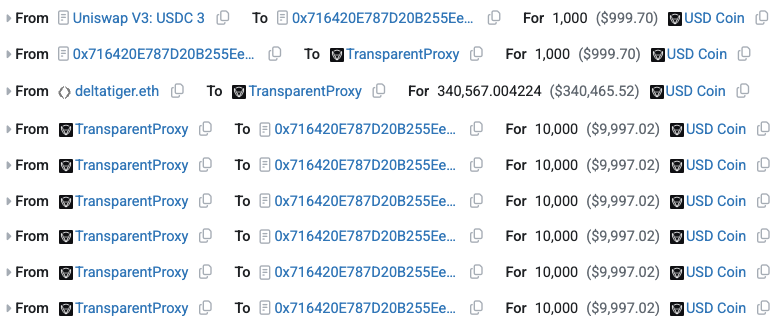
A recent case illustrates this clearly: a user lost $340 000 in USDC five years after signing a malicious transaction via a phishing site. The attacker patiently monitored the wallet, waited for large deposits, and drained the funds in a single transaction.
Fake Airdrops and “Celebratory” Tokens
Fake airdrop pages often appear around major news events — ETF launches, network upgrades, or large partnerships. These pages look official, use familiar branding, and mimic real campaigns. Their goal is always the same: make the user connect a wallet and sign a dangerous approval.

According to Chainalysis analysts, crypto phishing losses increased by tens of percent in 2025 alone. The majority of losses came from wallet drainers and malicious smart contracts, not password theft or exchange hacks. It shows how attacks have shifted from technical exploits to user mistakes.
How to Protect Your Data and Crypto Assets
Protection against phishing starts not with complex settings, but with basic digital habits — understanding what you are doing and who you are granting access to. Most attacks succeed because of haste and automatic behavior.
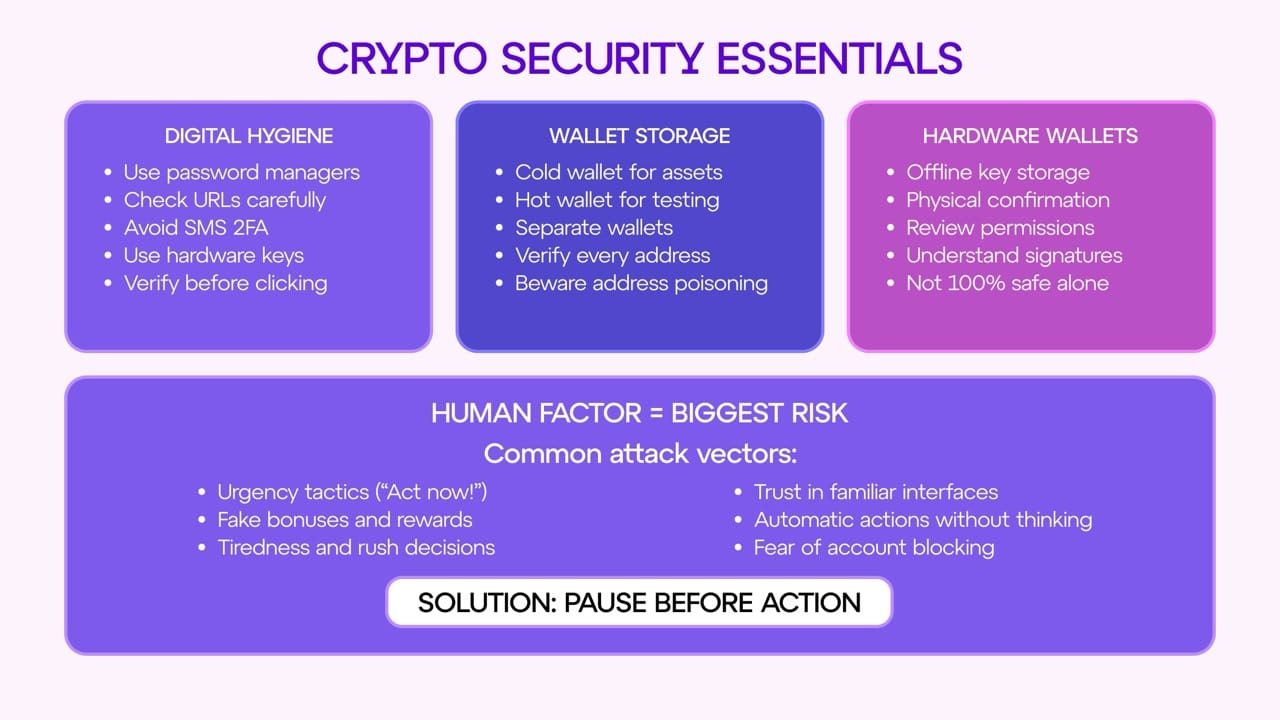
Basic Digital Hygiene
Careful handling of emails, links, and logins is the simplest and most effective defense.
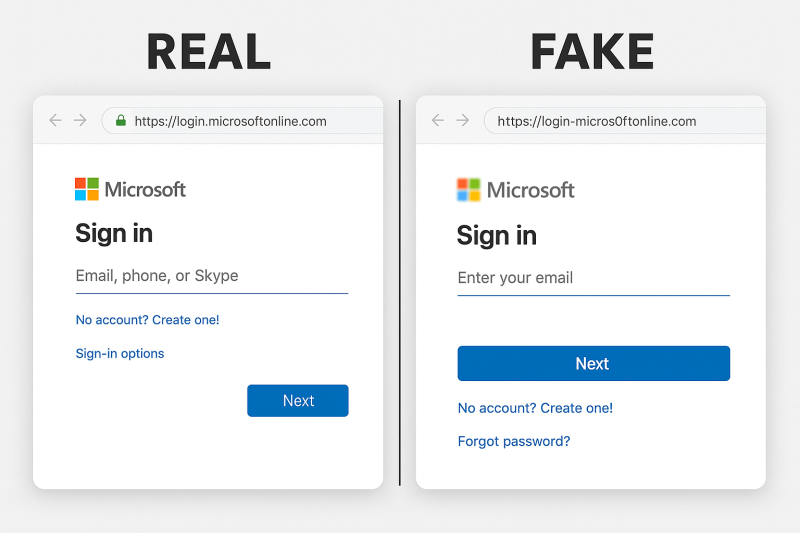
Fake sites often look perfect, but password managers help here: they do not autofill credentials on fake domains. If your password doesn’t autofill automatically, that alone is a signal to stop and verify the address: see if any o’s are replaced with 0’s, cleverly disguised characters from cyrilic, or it has almost the same name. If in doubt — look the website up and see the valid link.
SMS codes remain a weak point. They can be intercepted or extracted via phishing. Hardware security keys and authenticator apps significantly reduce this risk because they are physically tied to the device and do not work on fake sites.
Crypto Storage and Wallet Practices
Crypto introduces additional rules. Core assets should be stored in cold wallets and never connected to random websites. Such wallets function as vaults, not payment tools — they are for storage, not daily use.
For tests, experiments, and learn and earn crypto campaigns, it’s better to use a separate wallet with a small balance. This simple separation drastically limits potential damage. If something goes wrong, losses remain capped.
When sending funds, verify every character of the crypto wallet address. Even addresses copied from transaction history are not guaranteed to be safe. Address poisoning attacks rely precisely on automation and trust in history.
Hardware Wallets and False Security
Hardware wallets add an important layer of protection. Devices like a Ledger crypto wallet store keys offline and require physical confirmation of actions, making life harder for scammers — but they do not make users invulnerable.
If a user personally signs a malicious smart-contract approval, technology won’t save them. The hardware wallet will honestly display the request, but the final decision is still made by the human. That’s why understanding the difference between a simple signature and token management approval is critical.
The Biggest Risk Factor Is the Human
Cybersecurity experts often repeat that the user remains the weakest link in any system. This is not to assign blame — it’s a reminder that the final decision always belongs to the person: clicking a link, connecting a wallet, or signing a transaction.
Fatigue, haste, and trust in familiar interfaces are exactly what scammers exploit. The best defense is a pause before action.
If something demands urgency, promises rewards, or threatens account suspension, stop and verify the source. In crypto, this habit directly determines whether assets survive.
When Protection Fails
It’s important to understand the limits of any security measure. Fatigue, pressure, or stress can lead to mistakes even among experienced users. There are also supply-chain attacks, where legitimate websites are temporarily compromised and serve phishing pop-ups.
A separate issue in crypto is transaction irreversibility. If funds are sent to a scammer’s address, recovery is almost impossible. Unlike banking, there is no centralized support desk that can reverse the transfer.
Conclusion
Modern phishing is a blend of psychology, technology, and good design. It can arrive as a bank email, a call from a boss, or a “risk-free” crypto campaign. The universal rule remains simple: don’t trust by default, and always verify the source.
Bookmarks to official sites and refusing to click links from direct messages reduce risk more effectively than any advanced configuration. In an environment where mistakes are expensive, caution is not paranoia — it’s a survival skill.
Follow GoMining Academy and get access to the free Bitcoin and Mining course for beginners.
Telegram | Discord | Twitter (X) | Medium | Instagram
FAQ
What is phishing in simple terms? It’s an attempt to trick someone into giving up access, data, or money voluntarily.
Can crypto be stolen without knowing the seed phrase? Yes. Signing a malicious smart-contract approval is enough.
Are airdrops and learn and earn campaigns dangerous? Yes, if they are fake pages. They are often used for wallet drainers.
What is a wallet drainer? A malicious smart contract that gains permission to control a user’s tokens.
What is address poisoning? Address substitution via transaction history, targeting inattention.
Can a hardware wallet fully protect me? No. It protects keys, but not against signing dangerous approvals.
Why did phishing become more dangerous in 2025? Because of AI: emails, websites, voices, and videos now look convincing.
Can funds be recovered after crypto phishing? In most cases, no. Blockchain transactions are irreversible.
Does two-factor authentication help? Yes for regular accounts, but it doesn’t protect against transaction signing.
The main way not to lose money? Slow down and verify the source before every action.