Best Bitcoin Miner for Beginners: Top 5 Options in 2026
 Zamy
Zamy
In Bitcoin mining, software or fancy interface doesn't mean as much as what hardware you're buying at start to mine.
This is where beginners most often make expensive mistakes which fall into one of 3 categories:
- buying old Antminer S9 units because they are “cheap”
- trusting promises of unreal efficiency from marketplaces like Alibaba
- or skipping math to see how much all this hardware eats off profit margin
In this article, we'll break the topic of ASICs down bit by bit and explore how to avoid common mistakes, which miners make sense for beginners in 2026, what real-life BTC mining profits look like at different electricity rates, and why Bitcoin mining is yet another business and not a “print cash” button.
To lay the groundwork, we'll explain key terms in simple language.
For starters:
- ASIC is a specialized computer designed only for mining.
- Hashrate is how fast ASIC solves mining equations.
- J/TH measures efficiency — how much energy is spent per unit of work.
- ROI is return on investment.
- Hosting means your hardware runs in a professional data center instead of at home.
How ASIC Mining Works
In short: ASICs, or mining hardware, take part in one giant math competition and you're getting paid for their successful efforts. Hashrate tells how fast an ASIC does the job, and its power consumption eats away a portion of profit margin.
In principle an ASIC miner is a device that performs the same mathematical task 24/7: it searches for the correct hash for the next Bitcoin block. The faster it does this — and the less electricity it uses per attempt — the more efficient it is.
In practice, and in the context of Bitcoin mining, an ASIC is that same equation used to tell if the next block is correct or not, but soldered onto a chip with transistors as elements of the equation.
Think of it as the Apple silicon of Bitcoin mining: since all computation-heavy tasks are soldered onto a chip it works faster and cheaper than, say, processors or video cards.
Since Bitcoin uses SHA-256, so do the ASICs: they essentially are chips with all the math logic being cast into crystal, so they are pretty much useless for anything but computing the SHA-256 algorithm.
Since 2014 only ASICs are able to mine Bitcoin profitably — Nvidia, AMD or Intel hardware just can't keep up. Your average 256-threaded Threadripper will be humbled by a single ASIC from 2015 in terms of mining; same for RTX 6000 Pro or Intel — regular hardware won't cut it.
What Makes a Bitcoin Miner “Beginner-Friendly”
For starters: power is not the secret sauce, the balance is.
Modern miners differ not only in hashrate, but also in firmware stability, noise level, heat output, and how long they can operate before hashboard failures appear.
Here's key takeaways on how to look for your next best ASIC:
- Efficiency is the key parameter. The lower the J/TH, the better the miner can survive rising network difficulty.
- Reliability is critical. Some older generations are notorious for mass hashboard failures.
- Cooling and power supply. ASIC works tirelessly 24/7, and needs a quality power input and cooling system.
- Ease of setup. Modern ASICs run through a browser interface and do not require complex manual configuration.
- Check on the price to not be too cheap. The cost of cheaping out on ASIC is that it'll run for — if gods are merciful on you — month to two before letting its final hash out.
- Age. A cheaper miner with poor efficiency almost always ends up being more expensive to run than a newer, more efficient machine.
Top 5 ASIC Miners for Beginners in 2026
Antminer S21
A flagship miner with around 200 TH/s hashrate and approximately 17.5 J/TH efficiency. Power consumption is about 3500 W. It is one of the most energy-efficient ASIC miners on the market.
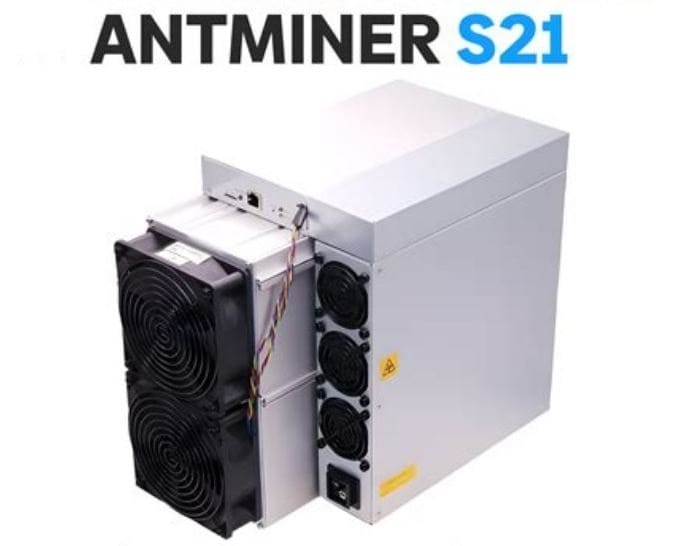
With cheap electricity, it delivers excellent results and remains relevant for several years. The downside is obvious: high price and the fact that it’s too loud and hot for comfortable home use. For hosting, however, it is close to a benchmark.
Whatsminer M66 — An Industrial-Grade Alternative
This model is designed for those who prioritize maximum reliability. Depending on the version, it delivers up to 280 TH/s with efficiency around 18 J/TH.
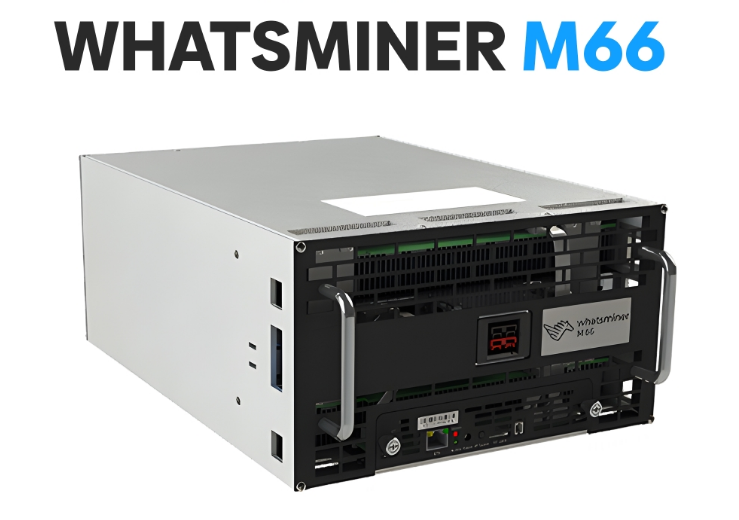
These machines are heavier, larger, and built for data centers.
In terms of profitability, they are comparable to the S21 but require appropriate infrastructure.
Antminer S19 XP — The Balanced Middle Ground
Around 140 TH/s with efficiency close to 21.5 J/TH. This is one of the most popular choices among beginners because it is significantly cheaper than flagship models, widely available, and still competitive at moderate electricity rates.
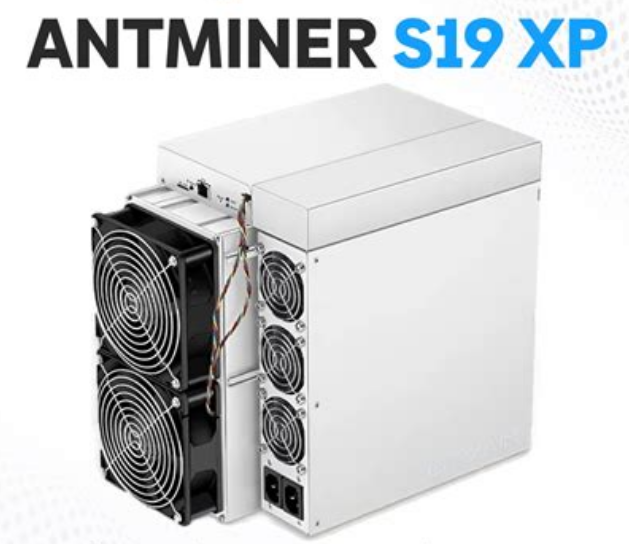
Not new, but proven over time.
Antminer S19J Pro — Budget Entry Point
Approximately 104 TH/s and about 29 J/TH. This is already the lower boundary of a reasonable entry.
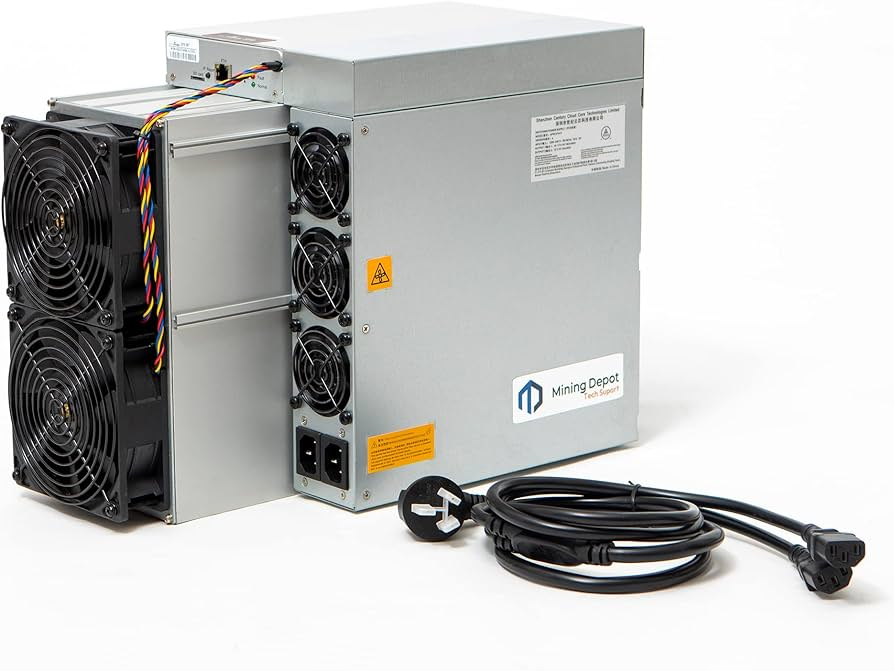
With expensive electricity, it quickly becomes unprofitable. With hosting or very cheap power, however, it can still serve as a starting option.
Antminer S9
The S9 still frequently comes up in beginner questions.
Yes, it’s cheap. Yes, it was legendary once. But today it only makes sense as a hobby with almost free electricity.
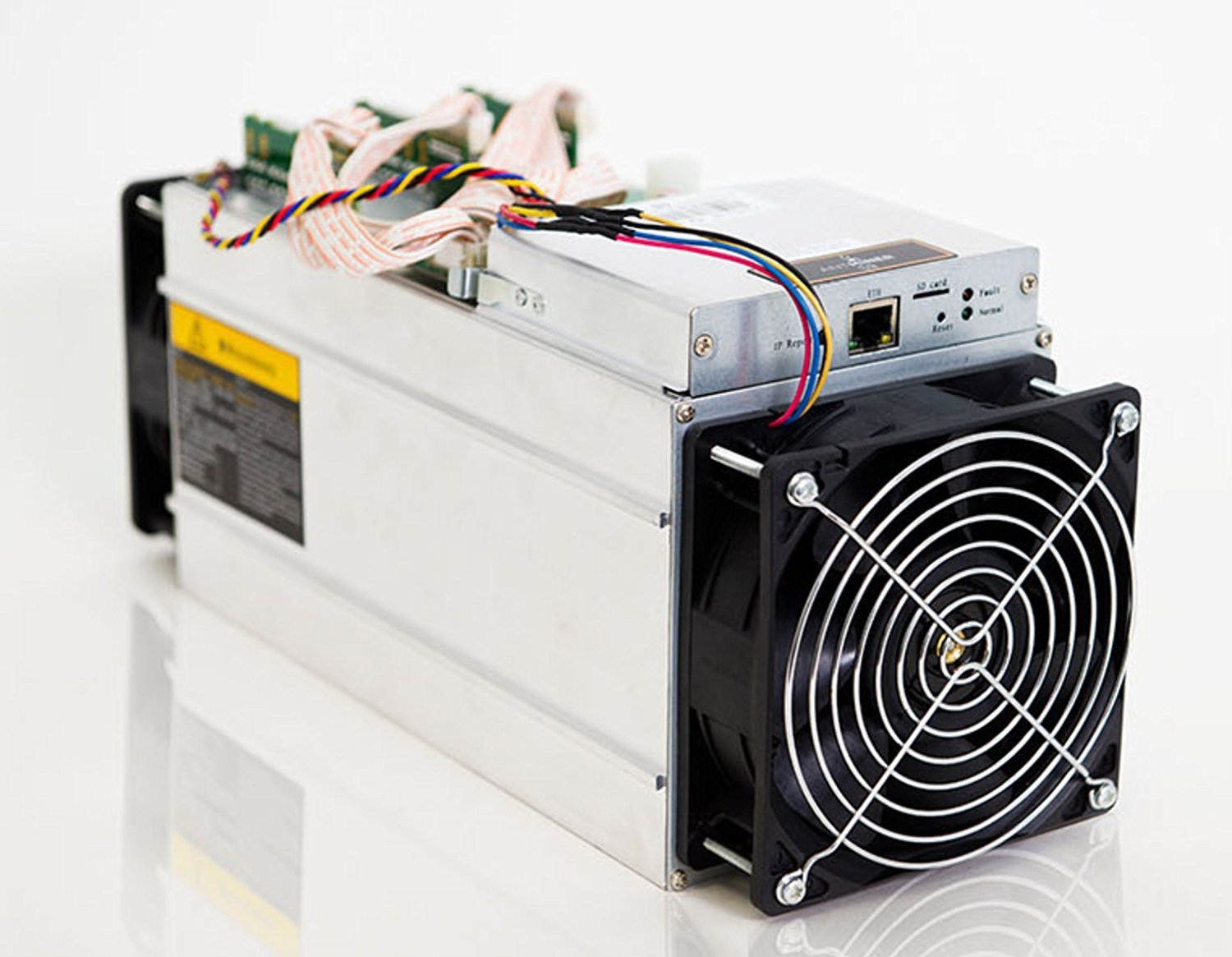
For real Bitcoin mining in 2026, it is almost a guaranteed loss.
To sum it up, the difference in J/TH is not just numbers on paper. It determines whether your miner will survive rising network difficulty and market changes — or fall out of profitability.
How Much Can You Realistically Earn?
It's hard to answer this question, since network difficulty increases, BTC price fluctuates, and downtime due to heat or repairs instantly eats into profits, so these numbers can fluctuate drastically depending on the situation.
As an example, at some point of a time, at electricity prices of $0.04–0.06 per kWh, modern models like the S21 could generate roughly around $5–10 per day, the M66 up to $14 in strong periods, and the S19 XP around $3–6.
At $0.10 per kWh, most models would operate near break-even, while older generations would go negative.
It’s important to understand: these are not and were never guarantees. The calculations need to be reviewed and have daily changes and fluctuations depending on the situation.
How to Choose Your First Bitcoin Miner: Logic Over Emotion
Start with electricity costs. If they are above $0.12 per kWh, home mining makes little to no sense.
Next, choose the format: home or hosting. For beginners, hosting is often simpler and safer.
Then set a budget.
- Up to $1000 — only basic models, with caution.
- $3000–4000 — a comfortable entry range.
- $5000+ — flagship models without compromises.
Most importantly, if you decide to purchase one, do so only from verified sellers or reliable services.
Common Beginner Mistakes
- The most frequent one is buying an S9 “because it’s cheap”
- Then comes believing in fixed daily income.Ignoring noise, heat, and electrical wiring limits.
- Buying flashed or refurbished ASICs without proper checks.
- Installing pirated firmware
- And, of course, completely misunderstanding the fact that Bitcoin network difficulty always increases.
Mining business requires tech expertise and understanding complex calculations, and constant involvement in the process.
But if all that hardware talk sounds exhausting, there’s a much sleeker route such as picking one of the many digital mining solutions out there. With platforms like GoMining, you can buy a piece of real mining power. Just pick your miner from GoMining’s digital miner collections and explore unique options of GoMining digital avatars.
FAQ
Which ASIC miner is best for beginners in 2026? The Antminer S21 is the most efficient, while the S19 XP offers the best balance of price and performance.
Can I mine Bitcoin with a GPU? No. Bitcoin has been mined exclusively with ASIC devices (SHA-256) for many years.
Can I mine at home? Technically yes, but in practice noise, heat, and electrical load are major issues. Hosting is usually better for beginners.
How much can one ASIC realistically earn? With cheap electricity ($0.04–0.06/kWh), roughly $2 to $10+ per day depending on the model. This is not guaranteed.
What matters more — hashrate or efficiency (J/TH)? Efficiency. It determines whether you stay profitable as difficulty rises.
Why are older miners like the Antminer S9 not recommended? They consume too much power and almost always operate at a loss in 2026.
How does difficulty growth affect income? Over time, income per ASIC decreases — this is a normal process in Bitcoin.
How long does an ASIC miner last? On average, 3–5 years with proper cooling and stable power.
What is safer for beginners — home mining or hosting? Hosting is safer and easier: no noise, overheating, or electrical issues.
Is it safe to buy used ASICs? It’s possible, but there are risks of wear, hidden defects, and compromised firmware. Beginners are better off starting with new units or trusted services.
Are third-party firmware solutions dangerous? Yes. Pirated firmware can shorten ASIC lifespan or cause permanent damage.
Is mining income guaranteed? No. Mining depends on BTC price, network difficulty, and electricity cost.
Conclusion
In 2026, the Antminer S21, Whatsminer M66, and Antminer S19 XP are generally considered the best Bitcoin miners for beginners.
Electricity cost matters more than marketing promises. Old models are almost always a mistake.
A rational start, careful calculations, and gradual scaling are the only sustainable approach to Bitcoin mining. Mining is not a “money button” — it’s a long-distance race. And the right choice at the start determines whether you finish it.
Follow GoMining Academy and get access to the Bitcoin and Mining Course to learn more about how Bitcoin mining actually works.